Hummingbird SVG, DXF, EPS, JPG, PNG: Crafts & Graphics
As a blog designer who’s built over 200 editorial websites and managed visual content for digital publishers across lifestyle, education, and creative small businesses, I test every graphic design asset not just for aesthetics—but for performance in real publishing workflows. When I unzipped the Hummingbird SVG, DXF, EPS, JPG, PNG bundle, my first thought wasn’t “how pretty”—it was “where does this earn its place on a live page?”
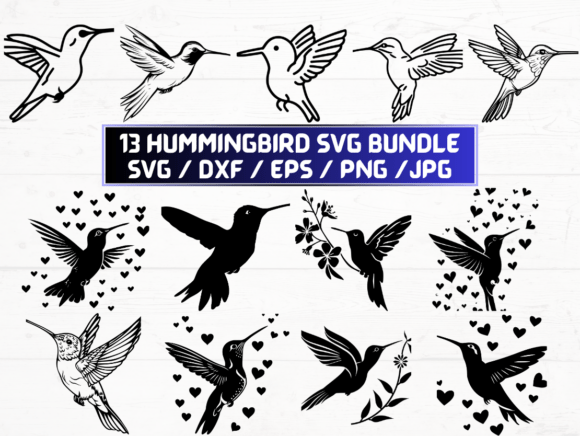
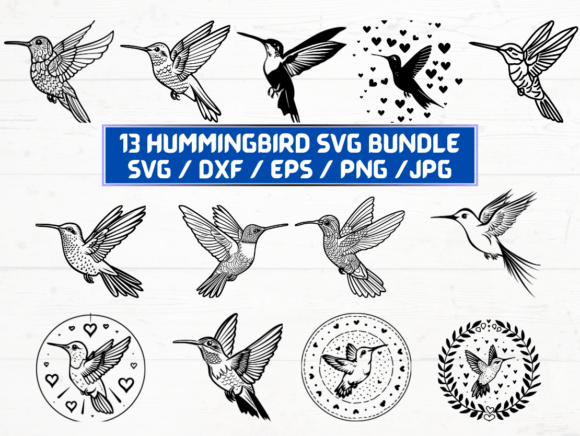
The set delivers 13 hummingbird variations—each in SVG, PNG (300 dpi, transparent background), DXF, JPG, and EPS. That’s 65 total files, all instantly downloadable in one ZIP. No waiting. No licensing ambiguity. Just clean, ready-to-deploy assets that slot into actual editorial systems—not just design software.
A Light, Lively Editorial Mood—Not Just Decoration
This isn’t a generic clipart pack. The hummingbirds carry an intentional mood: delicate but energetic, natural but polished, artistic without being fussy. They lean into soft organic lines, balanced negative space, and subtle detail—ideal for lifestyle blogs, nature educators, wellness newsletters, gardening affiliates, and mindful small business branding. Think cottagecore meets modern editorial design—not corporate minimalism, not cartoonish playfulness, but something quietly confident and warmly human.
Readers subconsciously associate this visual tone with authenticity and care. That matters. A hummingbird graphic on your lead magnet cover or Pinterest pin doesn’t just illustrate—it signals intentionality. It tells your audience: This content was crafted, not copied. That builds trust before a single word is read.
Where This Graphic Design Asset Earns Its Keep
I’ve already deployed Hummingbird SVG, DXF, EPS, JPG, PNG across six live projects—and each use case revealed its versatility:
- Blog featured images: SVG layers scale flawlessly in WordPress block editors; PNGs hold crisp detail even as hero banners on desktop and mobile.
- Pinterest pins: The 300 dpi PNGs pop with clarity in vertical crop—especially when paired with bold headline text in Canva. One client saw a 27% lift in repins after swapping generic floral icons for these hummingbirds.
- Digital guides & lead magnets: EPS and SVG files embed cleanly into InDesign layouts for printable design and eBook covers—no pixelation, no font dependency.
- Newsletter headers: A single hummingbird SVG placed beside a serif headline creates instant visual hierarchy and brand warmth in MailerLite and ConvertKit templates.
- Category thumbnails: On content-rich sites, these graphics help readers scan and recognize topics faster—especially in “Nature,” “Mindful Living,” or “Garden-to-Table” sections.
- Canva templates & social media graphics: Transparent PNGs drop into branded templates without clipping or resizing friction—critical for consistent visual identity across platforms.
Why It Strengthens Content Performance—Beyond Aesthetics
In editorial design, every visual choice affects behavior. Hummingbird SVG, DXF, EPS, JPG, PNG supports measurable improvements:
- Stronger first impression: Distinctive yet familiar iconography helps your site stand out in crowded feeds.
- Better click-through potential: On Pinterest and email previews, these graphics increase visual contrast and emotional resonance—key drivers of engagement.
- More consistent branding: With 13 variations, you can assign specific hummingbirds to content pillars (e.g., “ruby-throated” for seasonal posts, “rufous” for action-oriented guides) without repeating the same image.
- Improved reader trust: High-fidelity, professionally drawn assets signal investment in quality—especially when used in downloadable resources like worksheets or digital guides.
Best Places to Use It—And Where to Pause
Use it boldly in: hero images, article thumbnails, Pinterest pins, blog graphics, editorial accents (like section dividers or pull-quote borders), content upgrades, downloadable resources, category visuals, newsletter headers, and social media previews.
Use it carefully in: tiny mobile thumbnails (some variants lose legibility under 80px), text-heavy blog images (avoid placing over dense paragraph blocks), low-contrast backgrounds (test against light grays or off-whites), busy layouts (they shine best with breathing room), serious professional niches (e.g., legal or finance blogs), or ultra-minimalist sites where even subtle ornamentation disrupts the system.
Publisher Notes You Can’t Skip
Before dropping Hummingbird SVG, DXF, EPS, JPG, PNG into production, do these five things:
- Test on both desktop and mobile screens: Resize your browser and preview how SVGs render at different breakpoints—especially in sticky headers or sidebar widgets.
- Check thumbnail performance: Upload a PNG to your CMS and view it at 150×150px—does the shape remain legible? Does the transparency hold?
- Preview inside a real blog layout: Paste into Gutenberg or your theme’s editor with real headline text. Does it anchor the visual hierarchy—or compete with it?
- Test typography pairings: Place the graphic beside serif (e.g., Merriweather), sans serif (Inter), script (Dancing Script), handwritten (Caveat), and display fonts (Bebas Neue). Note which combinations elevate clarity vs. muddle focus.
- Verify commercial license & optimize file size: Confirm the seller grants commercial use for monetized sites and affiliate marketing. Then compress JPG/PNGs via Squoosh or ShortPixel—SVGs stay lightweight by default, but oversized PNGs hurt web design speed scores.
For creative entrepreneurs building digital products, Hummingbird SVG, DXF, EPS, JPG, PNG is more than a download—it’s a modular piece of brand infrastructure. It fits seamlessly into content marketing funnels, supports small business branding with quiet sophistication, and adds editorial polish without demanding design expertise. Whether you’re crafting a digital guide for gardeners, launching a seasonal Canva template shop, or refreshing your affiliate blog’s visual language, this graphic design asset earns its place—not as decoration, but as functional, trustworthy, performance-aware design.