Shield SVG File: A Graphic Asset for Crafts and Branding
A First Impression of Shield SVG File
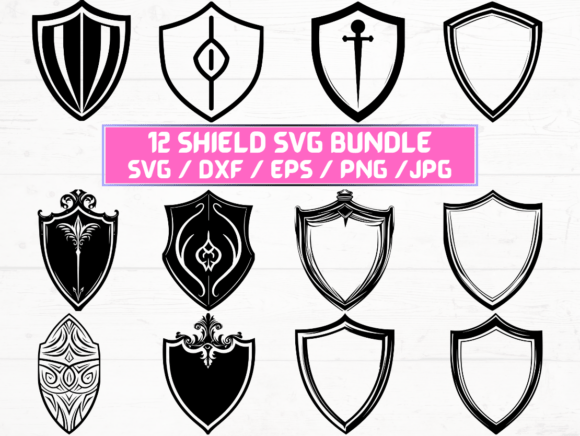
The Shield SVG File immediately evokes a sense of protection, reliability, and visual strength. Its clean lines and geometric structure suggest a brand that values stability, trust, and clarity. This design asset feels modern yet approachable, making it suitable for a wide range of local businesses—from bakeries to handmade soap brands. It carries a subtle elegance that aligns well with both boutique and professional branding needs.
Where Shield SVG File Fits in Real Business Design
As an experienced brand designer, I find the Shield SVG File incredibly versatile for various design applications. It can serve as a key element in logo design, acting as a central icon or emblem that reinforces brand identity. For product packaging, it can be used as an accent or background graphic, adding visual interest without overwhelming the primary content. In promotional materials like flyers, posters, and social media graphics, the shield motif offers a strong visual anchor that enhances brand recognition.
For small business branding, this asset is ideal for creating cohesive visuals across multiple touchpoints. Whether it's a thank-you card, a menu graphic, or a website banner, the shield shape provides a consistent and recognizable design language. It works especially well in branding for handmade businesses and crafts, where a touch of creativity and professionalism is essential.
Supporting Brand Presentation with Shield SVG File
Using the Shield SVG File can significantly enhance a brand’s presentation. It helps create a stronger first impression by offering a visually appealing and memorable symbol. The design supports better product recognition through its unique shape and style, which can become synonymous with a brand’s identity. Additionally, it contributes to clearer visual hierarchy by guiding the viewer’s eye toward important information on packaging, labels, and marketing materials.
From a practical standpoint, the Shield SVG File improves customer trust by introducing a sense of quality and care. Its clean and professional appearance aligns well with commercial design standards, helping to elevate the perceived value of a product or service. For local businesses looking to stand out on shelves or online, this asset adds a layer of polish and sophistication to their branding efforts.
Best Use Cases for Shield SVG File
The Shield SVG File shines in specific design scenarios. It excels in product labels, where its simplicity and clarity make it easy to integrate with text and other elements. As a packaging accent, it adds a decorative touch that doesn’t distract from the main message. On hero graphics and promotional banners, it acts as a powerful visual statement that commands attention.
In seasonal campaigns, the shield can be adapted to reflect different themes while maintaining brand consistency. It also works well in boutique visuals and social media campaign graphics, where a cohesive and stylish look is crucial. For product mockups and printable designs, the file format ensures high-quality output across various mediums.
When to Use Shield SVG File with Caution
While the Shield SVG File is highly adaptable, there are situations where it should be used carefully. In formal corporate branding, its playful or decorative nature may not align with the expected tone. For very small labels, the shield might appear too large or intrusive, so scaling considerations are important.
On crowded product packaging, the shield could compete with other design elements, potentially causing visual clutter. Similarly, in layouts with heavy ingredient details or legal information, the shield may not provide enough contrast. When placed on low-contrast backgrounds, it may lose its impact, so testing in different environments is essential.
Practical Notes for a Brand Designer
As a brand designer, I recommend testing the Shield SVG File on real packaging mockups to ensure it integrates seamlessly with the overall design. Checking black and white usage is also critical to confirm that the design remains effective in monochrome contexts.
Previewing the asset on small labels will help assess its scalability and readability. Testing it with brand colors ensures it maintains visual harmony across different applications. Comparing it with competitor packaging can highlight how it stands out in the market.
Reviewing the PNG transparency is important for print and digital use, while inspecting SVG and vector editability ensures flexibility in future design changes. Testing the asset alongside various font styles—serif, sans serif, script, and display fonts—helps determine its versatility in different design contexts.
Lastly, confirming the commercial license is essential before using the Shield SVG File for client work, business branding, or physical product sales. This step ensures compliance with usage rights and protects both the designer and the client.
Conclusion
The Shield SVG File is more than just a graphic asset—it’s a valuable tool for enhancing brand identity, packaging design, and promotional visuals. Its adaptability makes it suitable for a wide range of local businesses, from handmade sellers to food brands. By understanding its strengths and limitations, designers can effectively incorporate it into their projects, supporting both aesthetic appeal and brand consistency.