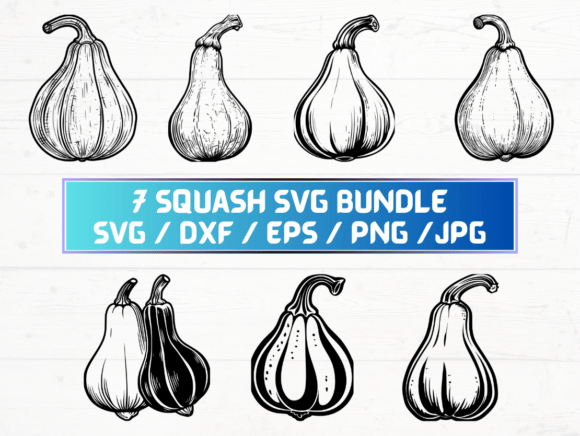
Squash Laser Cut Graphics for Crafts
First Impressions and Visual Mood
The first time I saw Squash Laser Cut, I was immediately drawn to its playful yet refined aesthetic. The design feels like a perfect blend of modern minimalism and handcrafted charm. It has that subtle whimsy that resonates well with handmade brands and small business owners looking to create a warm, approachable visual identity.
Design Style and Project Fit
Squash Laser Cut represents a contemporary take on craft-inspired graphics. Its clean lines and organic shapes make it ideal for projects that require both visual appeal and functional use. This asset is especially suited for branding efforts in the crafts and DIY space, where authenticity and creativity are key.
It works particularly well for brand identity systems, including logos, social media visuals, and packaging design. The versatility of the files—SVG, PNG, JPG, EPS, and DXF—means it can be used across various mediums, from digital platforms to physical products.
Real-World Design Applications
When considering how Squash Laser Cut performs in real design scenarios, it's clear that this asset offers a lot of flexibility. Here are some areas where it shines:
- Logo Design: The simplicity of the squash shape allows for easy integration into logos, especially for food-related or nature-themed brands.
- Product Labels: The transparent background and high resolution make it perfect for product labels, especially for Etsy shops or print-on-demand businesses.
- Packaging Design: The design adds a nice decorative touch to packaging without overwhelming the overall layout.
- Social Media Graphics: The file formats support seamless use in Canva templates and other digital design tools, making it ideal for Instagram posts and Pinterest pins.
- Cricut Projects: The SVG files ensure compatibility with Cricut machines, opening up possibilities for sticker designs, t-shirt transfers, and more.
Where It Works Best
Squash Laser Cut excels in large layout areas and hero graphics where it can stand out without competing with other elements. It’s also great for product mockups and themed collections, adding a cohesive visual element that enhances the overall design narrative.
In editorial design and web design contexts, it serves as an excellent supporting element. Whether placed on a website banner or as part of a blog post, it maintains visual interest while keeping the focus on the main content.
Where to Use with Caution
However, there are situations where Squash Laser Cut may not perform as well. In small sizes or crowded layouts, the design can become less effective. It might also struggle in complex backgrounds or when paired with minimalist branding, where clarity and simplicity are paramount.
For professional corporate materials, it’s advisable to use Squash Laser Cut sparingly, ensuring it doesn’t overshadow the more formal aspects of the design. It’s best suited for creative marketplaces and handmade businesses rather than traditional corporate environments.
Impact on Readability and Brand Consistency
Readability is crucial in any design project, and Squash Laser Cut supports this well when used appropriately. Its clean form ensures that it doesn’t interfere with text legibility, even when placed alongside other graphic elements.
Brand consistency is another area where this asset shines. By incorporating Squash Laser Cut into multiple design assets—such as website graphics, social media visuals, and product labels—you can create a unified visual language that strengthens brand recognition and emotional appeal.
Practical Designer Notes
Before using Squash Laser Cut commercially, there are several checks that should be performed:
- Test in Black and White: Ensure the design remains visually appealing and readable in monochrome settings.
- Check Contrast: Verify that the design maintains good contrast against both light and dark backgrounds.
- Preview at Different Sizes: Confirm that the design holds up well at both large and small scales.
- Place on Real Mockups: Test the design within actual product or layout scenarios to see how it integrates.
- Test Print Quality: Make sure the 300 dpi files produce crisp, clear prints when used for physical products.
- Inspect Transparency: Check that the PNG files maintain proper transparency for layered designs.
- Check File Formats: Ensure all file types are compatible with your design workflow and client needs.
- Confirm Commercial Licensing: Always verify that you have the appropriate rights for commercial use before applying the asset to a client project.
Conclusion and Final Thoughts
Squash Laser Cut is a versatile and stylish graphic design asset that offers a range of benefits for designers working in the crafts and graphics space. Whether you're creating a brand identity for a handmade business, designing social media content, or preparing printable products for an Etsy shop, this asset can add a unique touch that elevates the overall design.
With the right application and careful consideration, Squash Laser Cut can become an essential part of your design toolkit. It’s a valuable addition to any designer’s collection, especially those who work with creative marketplaces, print-on-demand services, and small business branding projects.